
Erik
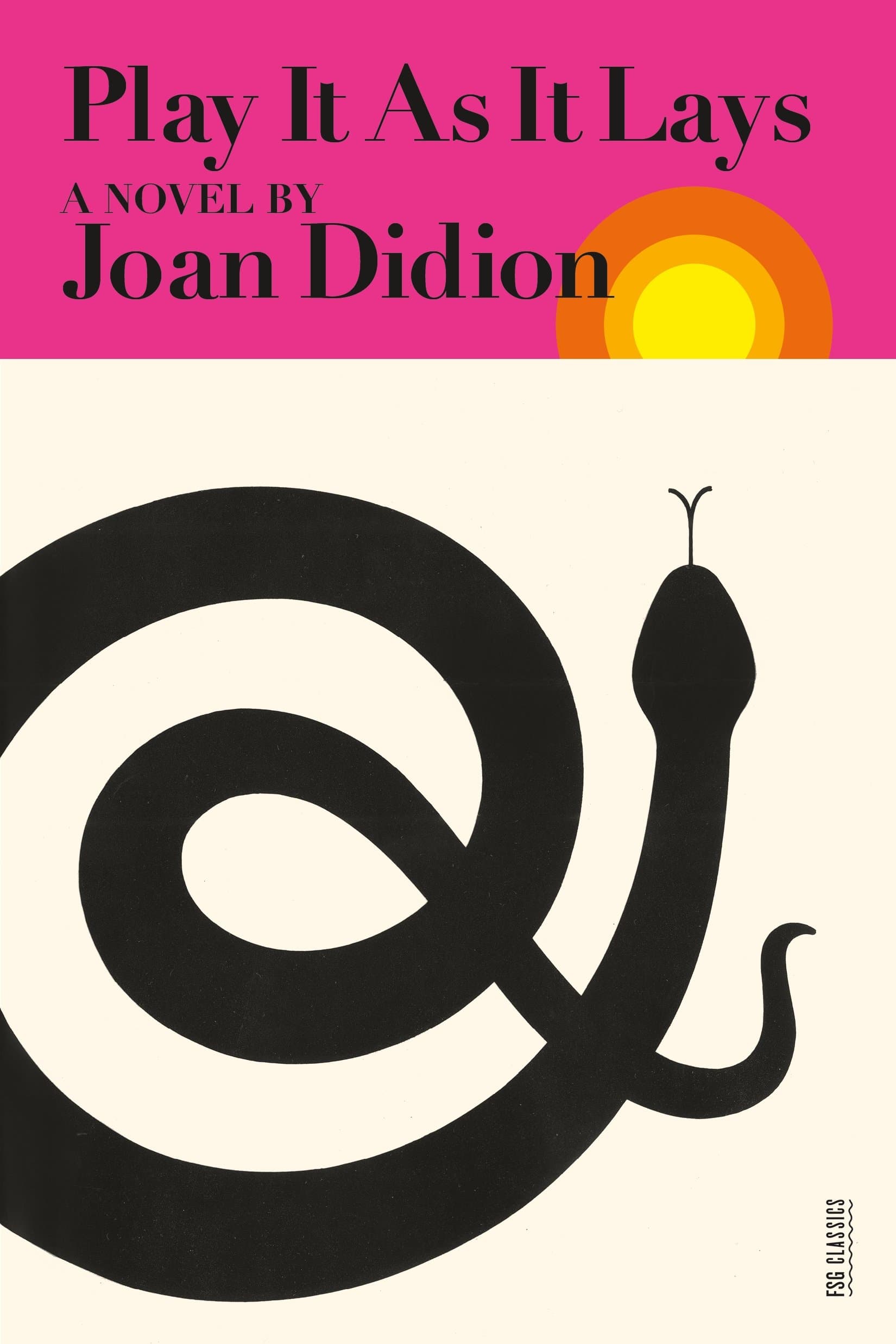
@HudsonsAssCheekThe characters in Play It as It Lays are undeniably interesting and well-developed; Joan Didion crafts Maria Wyeth with a sharp, surgical precision that makes her numbness palpable. Didion masterfully captures Maria’s emotional unraveling, rendering her disconnection from reality and the people around her with a fragmented narrative structure that mirrors her fractured psyche. Maria is a complex figure: a former actress and model spiraling into existential despair, defined by the men in her life yet struggling to find any independent identity in the patriarchal, superficial world of 1960s Hollywood. Her relationship with her developmentally disabled daughter, Kate, adds a layer of profound maternal grief and guilt that anchors her otherwise drifting existence. Even secondary characters like her director husband Carter Lang and the nihilistic BZ are rendered with a chilling clarity that highlights the moral bankruptcy of their environment.
However, despite the strong characterization and Didion’s razor-sharp, minimalist prose, the book didn't quite grab my attention in the way I hoped. The narrative’s relentless detachment, while thematically consistent with Maria’s state of "accidie" (spiritual sloth), created an emotional distance that kept me from fully engaging with the story. Reading about Maria’s compulsive driving, meaningless sexual encounters, and passive witness to tragedy felt more like observing a clinical case study than experiencing a compelling narrative. The novel’s nihilism is oppressive, coating every page in a gloom that, while effective in portraying despair, ultimately made the reading experience feel like a chore rather than a journey.
Reading it, I was strongly reminded of Sex and Rage by Eve Babitz. I had the exact same experience with Babitz’s work, a sense of stylish ennui that promises more than it delivers. Both novels feature women navigating the hedonistic, toxic landscapes of Los Angeles and New York, dealing with fame, addiction, and the search for identity in a male-dominated world. Like Maria, Babitz’s protagonist Jacaranda is a "messy woman" whose life is a series of indulgent detours and unfulfilled potential.
Ultimately, I liked both books equally. While Play It as It Lays left me feeling cold with its icy detachment, and Sex and Rage offered a warmer, more chaotic vitality, both capture the disillusionment of women in mid-20th-century America with style and honesty. Didion’s novel is a masterpiece of dissection, a ruthless look at the void, while Babitz’s feels more like a survival guide through the mess. Appreciating them equally suggests a value for both the precision of nihilism and the messy, redemptive energy of a life lived at the limits. They are two sides of the same sun-bleached, dreamlike coin.